
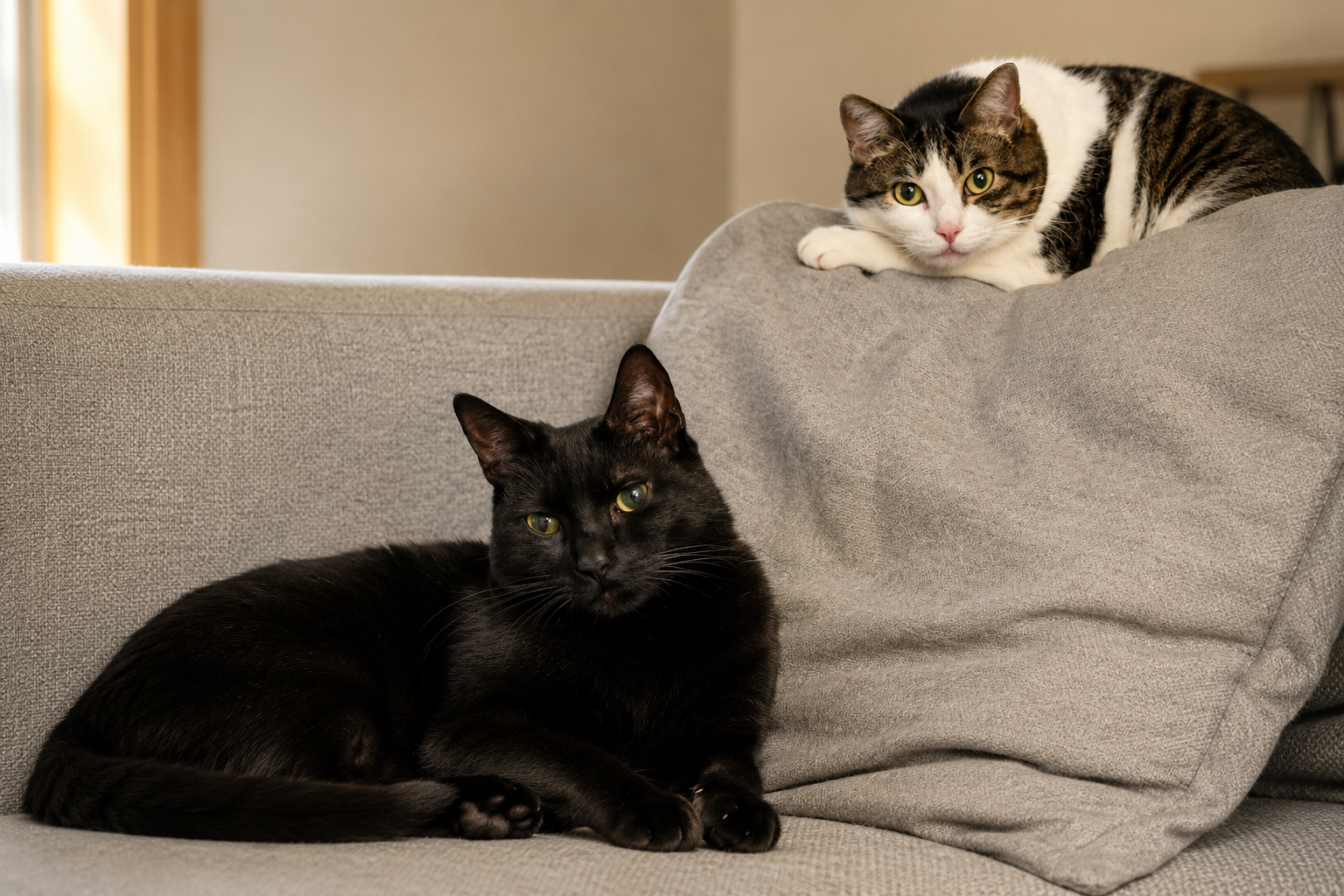
Pets have an extraordinary way of becoming part of the rhythm of our lives.
They greet us at the door, settle beside us during difficult moments, remind us when it is time for dinner, and provide companionship without requiring us to explain how we feel. Caring for an animal can bring structure to an otherwise unstructured day and create small moments of connection that are easy to overlook but deeply meaningful.
My cats Momo and Gigi, and the memory of Lola, are part of my family’s story. Each has brought a distinct personality, routine, and way of communicating into my life. Caring for animals brings responsibility, laughter, comfort, purpose, and a sense of continuity.
The bond between people and animals can be powerful. However, the science is more nuanced than the common claim that owning a pet automatically reduces stress, prevents depression, or improves physical health.
Pets may support our well-being, but the benefits are not universal—and the relationship must also support the animal’s health and quality of life.
Reviewed and updated November 7, 2026.
What Does the Research Actually Show?
Research into human–animal interaction is still developing. Some studies associate interactions with animals with lower perceived stress, reduced loneliness, greater social support, or changes in physiological measures such as blood pressure and cortisol. Other studies have found no benefit or have produced mixed results.
One reason is that “pet ownership” is difficult to study as a single exposure. A person who shares a strong, supportive bond with a calm senior cat may have a very different experience from someone struggling with an animal whose medical, behavioral, or financial needs exceed what they can manage.
Pet owners also differ in age, health, mobility, housing, income, family support, and attachment to their animals. These factors make it difficult to determine whether a pet caused a particular health outcome.
A systematic review of pet ownership and quality of life found inconsistent results across studies. The National Institutes of Health similarly notes that research has identified possible benefits, but findings remain mixed and there is no single type of pet or interaction that benefits everyone.
The most accurate conclusion is not that pets are guaranteed to make us healthier. It is that positive, mutually supportive relationships with animals may contribute to well-being in several important ways.
Potential Mental and Emotional Benefits
Companionship and Reduced Loneliness
A pet can provide a steady presence, particularly for someone who lives alone, works from home, is retired, or spends substantial time caregiving.
Animals cannot replace human relationships or professional mental-health care. However, they may offer a form of companionship that feels safe, predictable, and free from social judgment. For some people living with mental-health challenges, pets have been described as important sources of emotional support, identity, and stability.
This may be especially meaningful during periods of isolation, grief, illness, or major life transition.
The effect is not automatic. Some studies associate pet companionship with reduced loneliness, while others find little or no difference between pet owners and non-owners. The quality of the bond may matter more than simply having an animal in the home.
Comfort During Stressful Moments
Touching, grooming, playing with, or quietly sitting beside a familiar animal may help some people feel calmer. Studies of human–animal interaction have reported changes in stress-related measures, including cortisol, blood pressure, heart rate, and oxytocin, but findings vary considerably.
Oxytocin is involved in social bonding and is sometimes called the “love hormone,” but the biology is more complicated than the nickname suggests. It would be an overstatement to say that petting any animal reliably releases oxytocin, lowers cortisol, or treats anxiety.
What we can say is that a calm interaction with a trusted animal may create a comforting sensory experience: warmth, rhythmic purring, soft fur, steady breathing, and familiar behavior. These cues may help some people pause and feel more grounded.
The interaction must be welcome to the animal, too. A pet who moves away, stiffens, hides, flattens their ears, growls, or shows other signs of discomfort should be given space.
Routine and a Sense of Purpose
Pets depend on us for meals, clean water, exercise, enrichment, affection, medication, and veterinary care. These responsibilities can add meaningful structure to the day.
A morning walk, an evening feeding routine, or a few minutes of play may help anchor time when the rest of life feels uncertain. For older adults, people living alone, and those moving through retirement or recovery, this sense of being needed can be deeply meaningful.
Routine is beneficial only when the responsibilities are manageable. If caring for a pet becomes physically, emotionally, or financially overwhelming, the same obligations can increase stress. Planning and support are therefore essential parts of a healthy human–animal relationship.
Movement and Time Outdoors
Dogs can create regular opportunities for walking and outdoor activity. Walking may also encourage casual social contact with neighbors and other pet owners.
The activity benefit depends on the dog, the owner, the neighborhood, the weather, and the person’s mobility. Dog ownership does not guarantee adequate exercise, and people do not need to own a dog to gain the benefits of walking.
Cats and other indoor animals can encourage movement in different ways. Interactive play, cleaning habitats, preparing enrichment activities, and maintaining feeding routines all introduce small amounts of activity into the day.
Social Connection
Pets can make it easier to begin conversations. A dog in the neighborhood, a cat appearing during a video call, or a shared interest in animal care can help people connect.
Pet-centered communities may also provide practical support, including recommendations for veterinarians, pet sitters, trainers, groomers, or emergency assistance.
These interactions can complement—but should not replace—supportive human relationships.
Mindfulness and Living in the Present
Animals tend to respond to what is happening now. They notice a sound, follow a patch of sunlight, investigate a scent, or settle into a familiar resting place.
Spending time with a pet can draw our attention away from rumination and back toward immediate sensory experience. Watching a cat stretch in the sun or listening to a contented purr can become a small mindfulness practice—not because the animal is providing therapy, but because we are giving the moment our attention.
The Benefits Must Be Mutual
It is easy to focus on what pets provide for us. A responsible relationship also asks what we provide for them.
Animals experience fear, pain, frustration, boredom, stress, and fatigue. They have preferences and boundaries. They need opportunities to express species-appropriate behaviors, whether that means scratching, climbing, hiding, sniffing, foraging, chewing, digging, flying, or exploring.
A healthy relationship should include:
- Appropriate nutrition and clean water
- Preventive and timely veterinary care
- Safe housing and comfortable places to rest
- Exercise and enrichment suited to the animal’s age and health
- Respect for body language and personal space
- Gentle, humane handling and training
- Protection from hazards, extreme temperatures, and toxic substances
- Social contact appropriate for the individual animal
- A plan for emergencies and future care
Senior animals may need additional support, including more frequent veterinary monitoring, accessible litter boxes or bedding, non-slip surfaces, modified exercise, medication, dental care, and closer attention to changes in appetite, mobility, grooming, sleep, and behavior.
Pets Are Not a Substitute for Healthcare
Companionship can be profoundly supportive, but a pet is not a treatment for depression, anxiety, trauma, dementia, heart disease, or another health condition.
Someone experiencing persistent sadness, anxiety, isolation, thoughts of self-harm, or difficulty functioning deserves appropriate professional care. A beloved animal can be part of a support system, but the responsibility of “healing” a person should never be placed on the animal.
Similarly, acquiring a pet solely to solve loneliness or improve health can create unrealistic expectations. A new pet may initially disrupt sleep, increase expenses, damage belongings, introduce conflict with existing animals, or require extensive training and medical care.
The relationship can still become wonderful—but it should begin with a realistic understanding of the commitment.
Before Adopting, Consider the Entire Lifespan
Adoption can give an animal a second chance, but bringing home a pet should not be an impulsive decision.
Before adopting, consider:
- Time: How many hours of daily care, exercise, training, grooming, and companionship will the animal require?
- Cost: Can you afford food, routine veterinary care, medication, dental treatment, grooming, supplies, boarding, and emergencies?
- Housing: Are pets permitted, and is the space appropriate for the species, size, and activity level?
- Health: Does anyone in the household have allergies, a weakened immune system, limited mobility, or another condition that affects pet care?
- Existing pets: Would a new animal be compatible with the animals already living in the home?
- Lifespan: Can you plan for the animal through future moves, job changes, aging, illness, or caregiving responsibilities?
- Backup care: Who could step in during hospitalization, travel, an emergency, or a future change in your ability to provide care?
- Veterinary access: Is appropriate veterinary care available, including specialized care for birds, reptiles, rabbits, or other less commonly treated animals?
The right pet is not necessarily the youngest or most visually appealing animal. Temperament, energy level, medical needs, and compatibility with the household are often more important.
An adult or senior pet may be a wonderful match for someone who prefers a calmer companion. However, senior animals can require more frequent medical care, so that commitment should be considered honestly.
Adoption Is Not the Only Way to Experience the Human–Animal Bond
Not everyone is able—or wants—to care for a pet full time. Housing restrictions, allergies, finances, health, travel, and caregiving responsibilities may make ownership impractical.
There are other ways to spend meaningful time with animals:
- Volunteer at a shelter or rescue organization
- Foster temporarily when your circumstances allow
- Walk a friend’s or neighbor’s dog
- Help an older adult care for their pet
- Pet-sit for someone you trust
- Visit a reputable animal-assisted therapy program
- Support local shelters with supplies or donations
Recognizing that pet ownership is not right for your current life is not a failure. It can be an act of responsibility and compassion.
Protecting Human Health Around Pets
Animals can occasionally carry germs even when they appear healthy. The CDC recommends washing hands after handling animals, pet food, waste, cages, litter boxes, or other pet supplies.
Routine veterinary care, parasite prevention, vaccination where appropriate, safe food handling, and regular cleaning help protect both animals and people.
Young children, pregnant people, adults over 65, and individuals with weakened immune systems may require additional precautions. Pet species and feeding practices should be discussed with a veterinarian or healthcare professional when someone in the household is at increased risk.
More Than Companionship
My cats do not eliminate difficult days, but they change the texture of them.
Momo and Gigi bring their own needs, preferences, routines, and occasional mischief into my life; Lola remains part of the memories that shaped it. Caring for senior cats involves work and worry as well as affection. There are veterinary appointments, medications, cleaning, and the awareness that aging inevitably brings change.
Yet there is also the quiet comfort of a cat choosing to sit nearby. There are familiar sounds, shared routines, playful moments, and the privilege of caring for animals who have trusted me throughout so many chapters of life.
Perhaps that is the real healing power of pets.
It is not a guaranteed biological effect or a promise that animal companionship will cure what hurts. It is the opportunity to participate in a relationship built through attention, trust, routine, and mutual care.
Pets are not accessories or wellness tools. They are living beings—and when the relationship is safe and supportive for everyone involved, they can become beloved members of the family.
How have animals shaped your daily life? I would love to hear about the routines, memories, or quiet moments that have made your relationship with a pet meaningful.
Sources & Further Reading
- National Institutes of Health. The Power of Pets: Health Benefits of Human–Animal Interactions. NIH News in Health
- Centers for Disease Control and Prevention. Ways to Stay Healthy Around Animals. CDC Healthy Pets, Healthy People
- Brooks, H. L., et al. (2018). The power of support from companion animals for people living with mental health problems: A systematic review and narrative synthesis of the evidence. BMC Psychiatry, 18, 31. Full text
- Scoresby, K. J., et al. (2021). Pet ownership and quality of life: A systematic review of the literature. Veterinary Sciences, 8(12), 332. PubMed
- Wirobski, G., et al. (2021). Life experience rather than domestication accounts for dogs’ increased oxytocin release during social contact with humans. Full text
- American Veterinary Medical Association. Responsible Pet Ownership
- American Veterinary Medical Association. Selecting a Pet for Your Family
Leave a Reply