
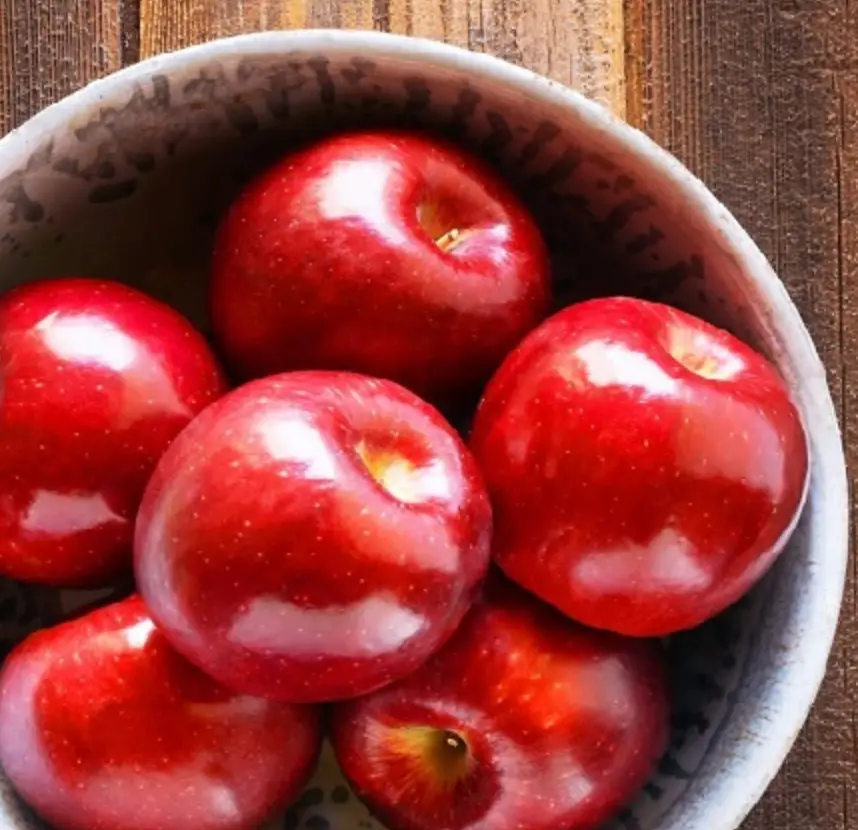
You may have noticed these “Wax and Produce” signs at Whole Foods or seen some rumblings online about them. It’s no secret that many grocery store fruits and vegetables have a wax coating to keep them looking fresh and appealing. While this practice helps extend shelf life and reduce food waste, it also raises concerns about potential health risks, especially when synthetic components are involved.

Understanding Wax Coatings on Produce
Fruits and vegetables naturally produce a waxy layer that helps retain moisture and provides protection. However, during post-harvest processing, this natural wax is often removed along with dirt and pesticides. To compensate, producers apply various types of wax coatings to preserve freshness, enhance appearance, and prevent mold growth. Commonly used waxes include:
- Natural Waxes: Derived from sources like carnauba palm (carnauba wax) and beeswax.
- Insect-Based Waxes: Such as shellac, obtained from the lac beetle.
- Synthetic Waxes: Including petroleum-based substances like paraffin and polyethylene.
While the U.S. Food and Drug Administration (FDA) considers these coatings safe for consumption, some synthetic waxes may contain additives or residues that pose health concerns. For instance, certain waxes might include fungicides or other chemicals to prevent spoilage, leading to potential ingestion of unwanted substances (fruitgrowers.com).
Health Considerations
The primary health concern with synthetic wax coatings lies in their potential to trap pesticides and bacteria on the surface of produce. Additionally, some waxes may contain substances like morpholine, which has been linked to adverse health effects in animal studies. A study highlighted that exposure to morpholine through various routes can result in health issues, prompting regulatory bodies to assess its safety in food applications (ijmrhs.com).
Moreover, the ingestion of certain synthetic additives has been associated with health risks. For example, the FDA recently banned FD&C Red 3 due to its cancer risk, though most other synthetic dyes remain approved for food use, despite being controversial. Experts argue for reevaluating the safety of these dyes, as evidence links them to neurobehavioral effects, particularly in sensitive children (eatingwell.com).
Best Practices for Consumers
Given these concerns, consumers can take proactive steps to minimize potential health risks associated with wax-coated produce:
- Thorough Washing: Rinse fruits and vegetables under running water. While water alone may not remove all wax, it can help eliminate surface residues.
- Use of Natural Cleaners: Soaking produce in a solution of water and vinegar can aid in dissolving wax coatings. Adding 1/2 to 1 cup of vinegar to 4 cups of water and letting the produce sit for 10 minutes before scrubbing can be effective (myhealthforward.com).
- Create a Baking Soda Paste: Mix baking soda with water to form a paste and use it to scrub produce, effectively removing wax coatings.
- Dipping in Hot Water: Briefly dip produce in hot water (around 10 seconds) and then rub off the wax with a cloth or brush.
- Peeling: Removing the skin eliminates the wax layer entirely, though this may also reduce the intake of beneficial nutrients found in the peel.
- Choosing Organic Produce: Organic fruits and vegetables are less likely to have synthetic wax coatings, though natural waxes may still be applied.
- Growing Your Own Produce: Cultivating fruits and vegetables at home ensures control over the use of coatings and pesticides, providing the healthiest options.
While it is increasingly challenging to navigate the complexities of food preservation methods, being informed and adopting these practices can help consumers make healthier choices and reduce exposure to potentially harmful substances.
What steps do you take to ensure your produce is as clean and natural as possible? Please share in the comments below.
Leave a Reply