
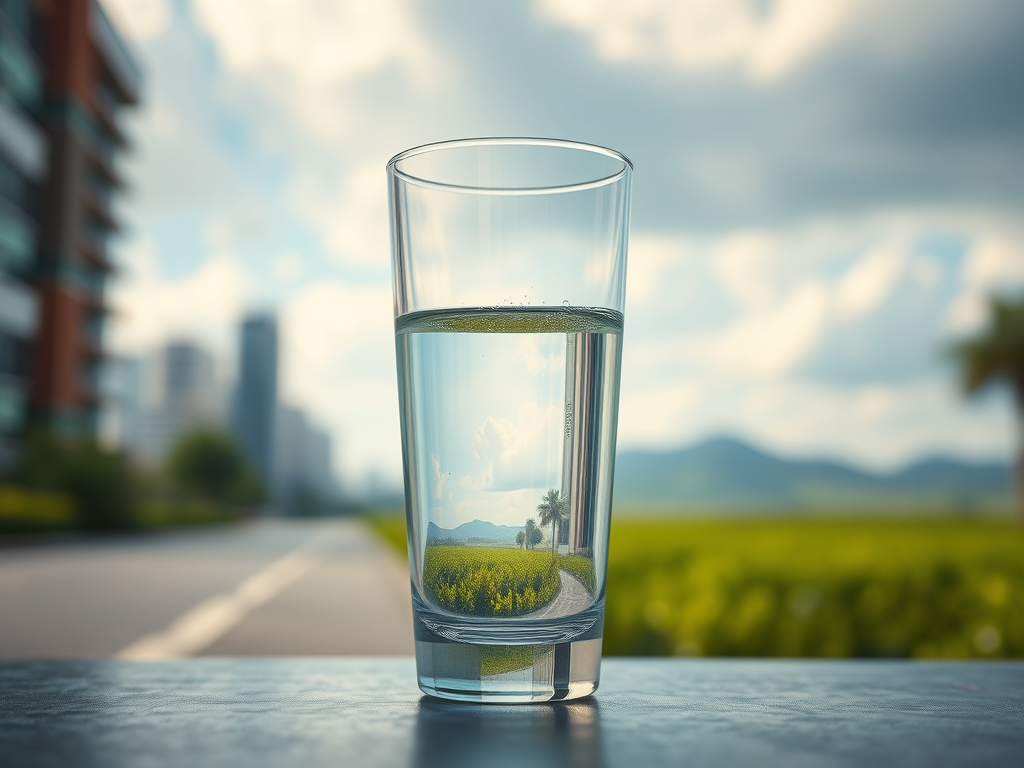
We all know water is the cornerstone of life. It nurtures our health, sustains ecosystems, and underpins civilization itself. But the quality of this essential resource is increasingly compromised. From pervasive “forever chemicals” and microplastics, the state of our water supply poses significant challenges to both our health and the environment.
Three Big Factors That Affect the Quality of Water
Water is more than hydration; it fuels every bodily function, supports skin and hair health, and ensures overall well-being. Yet, the presence of harmful contaminants such as per- and polyfluoroalkyl substances (PFAS), microplastics, and excessive minerals in hard water can turn this life-giving resource into a health hazard.
PFAS, or “Forever Chemicals”
Used in nonstick cookware, food packaging, stain-resistant fabrics, firefighting foams, and even cosmetics, PFAS are a class of over 14,000 synthetic chemicals. These substances persist in our environment and body for decades. Today, PFAS can be found in air, soil, water, and even human bloodstreams worldwide. According to the U.S. Geological Survey, an estimated 45% of tap water in the United States contain some form of PFAS, meaning millions of Americans are likely ingesting these chemicals daily.
The health implications of PFAS are severe, including links to cancer, thyroid disease, liver damage, fertility issues, immune system disorders, hormonal imbalances, increased cholesterol, and even obesity. Their resistance to natural degradation makes them one of the most concerning pollutants of our time.
Microplastics
Tiny plastic particles that sheds from larger plastics, synthetic fabrics, and industrial processes have infiltrated our water supply globally, even bottled water. These particles harm digestive, respiratory, and reproductive systems, though their long-term effects are still under study. Alarmingly, research indicates that microplastics can also interact with PFAS, creating a “toxic synergy” that amplifies the dangers of both pollutants.
Hard Water
Hard water is something many of us are familiar with. Especially if you are in rural areas dealing with well water. It contains high levels of calcium and magnesium, which, while not toxic, can cause significant skin and hair irritation. It’s also notorious for reducing the effectiveness of soaps and shampoos, exacerbating dryness, and contributing to conditions like eczema.
How Water Is Sourced
Municipal water comes from a combination of surface water (rivers, lakes, reservoirs) and groundwater (aquifers). While treatment plants remove many harmful pathogens, they often fall short when it comes to chemical and plastic contaminants. PFAS and microplastics, in particular, are not adequately addressed by standard filtration processes.
- PFAS: Their omnipresence in modern life has led to widespread contamination of both municipal and well water sources.
- Microplastics: Found in bottled and tap water, microplastics primarily originate from improperly disposed plastics.
- Hard Water: Common in regions where groundwater sources flow through mineral-rich soil or rock.
Environmental Challenges: A Growing Crisis
The threats to our water go beyond individual contaminants:
- Industrial Pollution: PFAS and other chemical pollutants from manufacturing persist in the environment, contaminating water supplies.
- Improper Plastic Disposal: Plastics break down into microplastics, which enter rivers, oceans, and eventually tap water.
- Climate Change: Droughts, flooding, and rising temperatures exacerbate water scarcity and compromise water quality.
What Can We Do?
While the challenges are daunting, there are actionable steps we can take to protect yourself and contribute to environmental solutions.
1. Test Your Water
Home testing kits are widely available and can detect the presence of PFAS, microplastics, and other impurities. Review your municipal water provider’s annual Consumer Confidence Report (CCR) for insights into local water quality.
2. Filter Your Water
Invest in filtration systems designed to target specific contaminants:
- Homeowners: I would opt for whole-house filtration systems, along with water softeners.
- Renters: Portable options, like the Big Berkey countertop filter I’ve read is great. I am using the PUR Plus Faucet water filter. I find it practical, but hope to upgrade one day for better quality filtration. I am not so confident that it is removing PFAS. Showerhead filters like AquaBliss, which I have been using for a year, can mitigate the effects of hard water on your skin and hair. It also significantly improves the effectiveness of your soaps and shampoos. I also heard the Afina shower filter, which is at a higher price point, works very well, but I have not personally tried it (yet).
3. Boil Your Water
Recent research indicates that boiling water can remove up to 80% of microplastics. While this doesn’t address PFAS, it’s a simple step to reduce plastic ingestion.
4. Be Wary of Bottled Water
Many bottled water brands contain microplastics, despite claims of purity. Opt for brands that disclose their filtration processes or refill reusable bottles with filtered water at home. I use this 32 oz stainless steel bottle. I fill it up a few times a day to ensure I get enough hydration.
5. Advocate for Change
Support legislation aimed at stricter regulation of PFAS, plastic waste, industrial pollutants and promote sustainable farming practices. Push for greater investment in sustainable water treatment technologies. Advocate for stronger policies addressing water quality at local and national levels.
6. Educate and Reduce Plastic Use
Cutting down on single-use plastics and properly disposing of waste can help reduce microplastic contamination over time. Also, avoid disposing of harmful chemicals down the drain to protect water sources.
A Call to Action
Water is increasingly threatened by the complexities of modern pollution. As consumers, we have the power to make changes that protect both our health and the environment. By staying informed, investing in effective filtration, and advocating for systemic solutions, we can work toward a future where clean, safe water is a guarantee, not a luxury. So let’s be sure to do our part.
What are your concerns with water? Please let me know in the comment below.
Have you seen this?
References
- Environmental Protection Agency. (2024, April 10). Biden-Harris administration finalizes first-ever national drinking water standard for PFAS
- Verywell Health. (2024, September 10). Bottled water contains plastic particles
- Consumer Reports. (2024, October 5). How to get PFAS out of your drinking water
- ScienceAlert. (2024, August 15). There’s a surprisingly simple way to remove microplastics from your drinking water
- United States Geological Survey. (2023). Study shows widespread PFAS contamination in tap water
Leave a Reply