
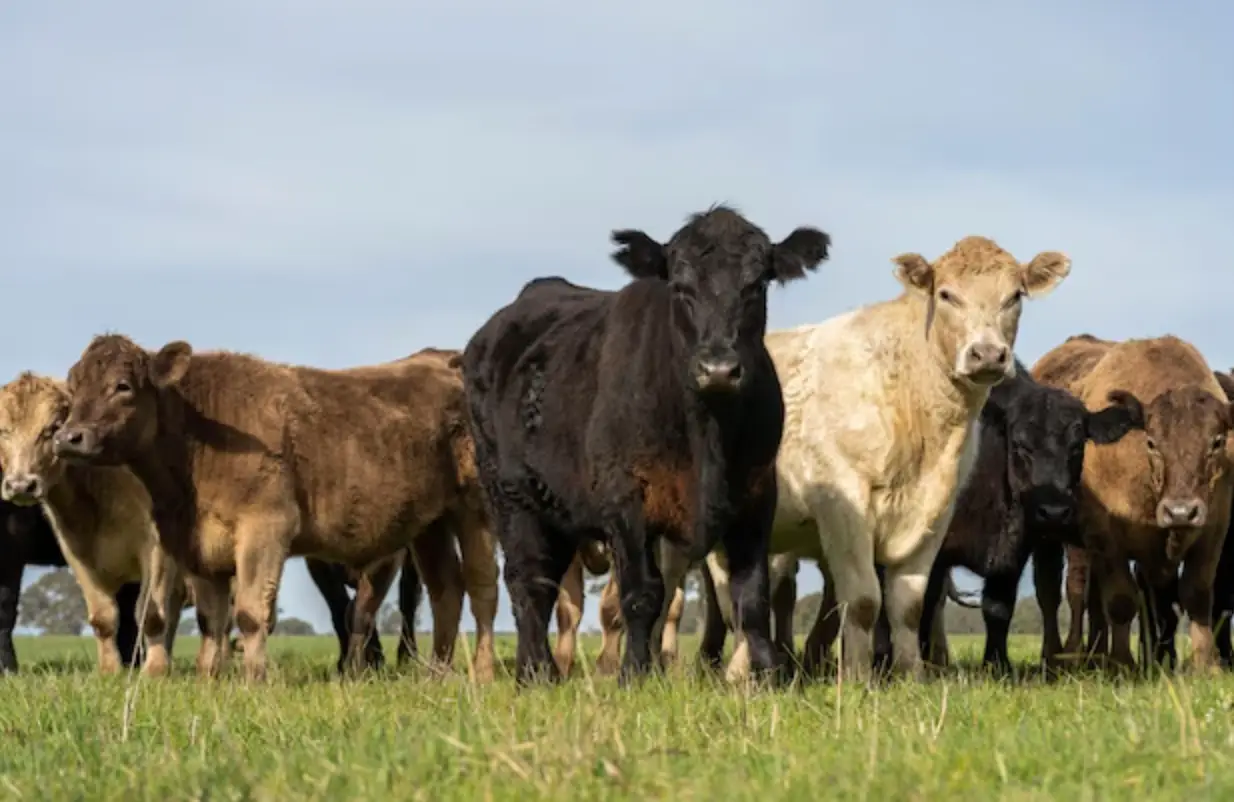
Remember these? Makes me nostalgic of simpler times….
Well, shopping for that beef for dinner is not so simple anymore. Understanding labels and sourcing can make a huge difference in quality, sustainability, and ethical farming practices. This guide will help you navigate the options available to make an informed decision based on what aligns best with your values and budget.
Understanding Beef Labels
Grass-Fed vs. Grass-Finished
- Grass-Fed: The cattle start on a grass diet but may be grain-finished to fatten them up before processing. While this can make the meat more marbled and tender, it may also reduce some of the health benefits associated with 100% grass feeding.

Grass-Finished: The cattle eat only grass (or forage) for their entire lives, resulting in leaner meat with higher omega-3 fatty acids, conjugated linoleic acid (CLA), and a more robust, earthy flavor. It is often preferred for its superior nutritional profile. For beef to be truly grass-finished, the cattle cannot be fed grain at any point. If cattle are fed grain at any stage and only finished on grass, they are not considered grass-finished. To ensure beef is 100% grass-fed and grass-finished, look for certifications such as American Grassfed Association (AGA) or regenerative agriculture certifications.
Organic Beef
- Must come from cattle raised without antibiotics, growth hormones, or synthetic pesticides. They must also have been fed organic, non-GMO feed and have access to pasture.
- Organic certification ensures better animal welfare and environmental sustainability but does not necessarily mean the cattle were 100% grass-fed or grass-finished.
Free-Range vs. Pasture-Raised
- Free-Range: The cattle have access to outdoor areas but may still be confined for part of their lives, meaning they are not always grazing freely on pasture.
- Pasture-Raised: The cattle spend most of their time grazing in open pastures, leading to better animal welfare, richer nutrient content in the meat, and often better flavor due to their natural diet.
Regenerative Agriculture Beef
- Sourced from farms that focus on restoring soil health, sequestering carbon, and improving biodiversity through rotational grazing.
- This farming method supports long-term sustainability, reduces reliance on synthetic fertilizers, and produces high-quality, nutrient-dense beef.
- Where to Find It: Check out the Regenerative Farmers of America for maps of regenerative farms in your area.

Health Implications: Why It Matters
Choosing grass-finished beef over grain-fed or grain-finished beef can have significant health benefits:
- Higher Omega-3 Fatty Acids: Grass-finished beef contains up to five times more omega-3s than grain-fed beef, which supports heart health, brain function, and reduced inflammation.
- More Conjugated Linoleic Acid (CLA): CLA is a type of fat that has been linked to improved metabolism and reduced body fat.
- Higher Antioxidants and Vitamins: Grass-finished beef has more vitamin A, vitamin E, and glutathione, all of which help combat oxidative stress and support overall wellness.
- Lower in Omega-6 Fatty Acids: Grain-fed beef tends to have a higher ratio of omega-6 fatty acids, which can contribute to inflammation when consumed in excess.
For further information into the health implications, check out this post from Dr. Berg.
USDA Beef Grades and What They Mean
Beef in the U.S. is graded by the USDA based on tenderness, juiciness, and marbling.
- Prime: The highest quality with the most marbling, making it incredibly tender and flavorful. This grade is often found in high-end restaurants and specialty butcher shops.
- Choice: A good balance of quality and affordability. It has less marbling than Prime but is still flavorful and tender, making it ideal for everyday cooking.
- Select: Leaner with less marbling, making it less tender but still a good option for marinating or slow cooking.
- Standard and Commercial: Typically sold as store-brand beef, often lean and best used for ground beef, stews, or slow-cooked dishes.
Where to Buy Quality Beef
Buying Direct from Farmers
For the freshest, most sustainable options, consider purchasing directly from regenerative farmers in your area. Use this map to find a farm near you. Buying directly supports local farmers and ensures that you get the highest quality beef.
Best Brands to Look for in Stores
If you’re shopping at a grocery store, look for these reputable brands that prioritize ethical farming and quality beef.
- Thousand Hills Lifetime Grazed – 100% grass-fed and regenerative. Their Renegade Blend Organ and Ground Beef is my top recommendation. This blend includes organ meat, which is packed with essential nutrients such as iron, B vitamins, and healthy fats, making it an excellent way to incorporate organ meat into your diet. Thousand Hills also sells online, making it easy to order directly.
- D’Artagnan – High-quality, ethically sourced beef from trusted farms. Known for their flavorful cuts and commitment to humane farming practices. They also offer online ordering, making premium beef accessible no matter where you are.
- If these brands aren’t available, use the guide above to read labels carefully and determine the best option based on grass-fed status, USDA grade, and certifications.
Final Thoughts
When purchasing beef, we should consider not only what we put on our plates but also how it got there. Ethical farming, environmental impact, and sustainability all play a role in ensuring a better food system for the future. Choosing beef that aligns with regenerative practices supports both our health and the planet.
What are your biggest considerations when shopping for beef? Let me know in the comments!
Leave a Reply