

A good night’s sleep is one of the most crucial components of overall health and well-being. Creating the perfect sleep environment involves considering everything from the placement of your bed to the type of sheets you use. Let’s dive into the details to help you design a sleep sanctuary that promotes quality rest.
1. Bed Placement and Feng Shui
The arrangement of your bedroom plays a significant role in the quality of your sleep. According to Feng Shui principles:
- Position your bed with the headboard against a solid wall to create a sense of security and support.
- Avoid placing your bed directly under a window, as this can disrupt the energy flow and make you feel less grounded.
- Keep mirrors from facing the bed, as they can reflect energy and create a sense of restlessness.
- Allow space on both sides of the bed to encourage balanced energy and make the room feel inviting.
For small or unconventional spaces, consider creative solutions like using room dividers to block disruptive energy or utilizing multi-functional furniture to free up space.
2. Bedding Types and Seasonal Adjustments
The type of bedding you use can make or break your sleep quality. Here’s a quick guide to different materials and when to use them:
- Linen: Lightweight and breathable, perfect for hot summer nights.
- Wool: Naturally insulating, keeping you warm in winter while wicking away moisture.
- Cotton : Luxuriously smooth and durable, offering year-round comfort with several varieties.
- Egyptian Cotton
- Known for its long staple fibers, which make it incredibly soft and durable.
- Luxurious feel with a silky, smooth texture.
- High thread count often used for premium bedding.
- Pima Cotton (Supima)
- Also made from long staple fibers, providing softness and durability.
- Known for its sheen and smooth finish.
- Supima is the trademarked version grown exclusively in the USA.
- Organic Cotton
- Grown without harmful chemicals, making it eco-friendly.
- Often softer and gentler on sensitive skin.
- Certified by organizations like GOTS (Global Organic Textile Standard).
- Percale Cotton
- Features a tight, plain weave with a matte finish.
- Crisp, cool, and lightweight, perfect for warm sleepers or summer months.
- Sateen Cotton
- Woven with more fibers on the surface, giving it a lustrous, satin-like feel.
- Softer and warmer than percale, ideal for cooler weather.
- Cotton Flannel
- Soft and fuzzy texture created by brushing the cotton fibers.
- Excellent for retaining warmth in cold seasons.
- Cotton Jersey
- Knit fabric resembling a t-shirt material.
- Stretchy, soft, and breathable, offering a cozy, relaxed feel.
- Egyptian Cotton
Tip:
- Switch your bedding seasonally to maintain comfort. For instance, opt for linen sheets in the summer and flannel or wool blends in the winter.
- Also, avoid cotton blends. They are often combined with materials like polyester.
Brand Recommendations:
- Coyuchi: Organic cotton and linen bedding made sustainably in the USA.

Brooklinen: High-quality linens with ethical manufacturing practices.
3. Satin & Silk Pillowcases for Beauty
Using satin or silk pillowcases isn’t just a luxury—it’s a beauty hack. These materials reduce friction, helping to prevent hair breakage and skin creases. They also retain less moisture than cotton, keeping your skin hydrated overnight.
Brand Recommendations:
- Slip: High-quality silk pillowcases known for their durability and beauty benefits.
Fishers Finery: Affordable, sustainable options made from 100% mulberry silk.

4. Bedding Care
Keeping your bedding fresh and clean is essential for both comfort and health:
- Sheets and pillowcases: Wash weekly to remove sweat, oils, and allergens.
- Comforters and duvets: Clean every 2-3 months or as needed.
- Pillows: Wash every 3-6 months and replace them every 1-2 years.
*Use Eco-Friendly and Clean Detergents.
5. Aromatherapy for Sleep
Aromatherapy can significantly enhance your sleep quality. Scents like lavender, chamomile, and cedarwood are known for their calming properties.
Ways to Incorporate Aromatherapy:
- Use an essential oil diffuser to fill your room with a soothing aroma.
- Spray a lavender mist directly onto your sheets and pillowcases.
- Place sachets of dried lavender or chamomile inside your pillowcase.
6. Bed Frames for Better Sleep
A sturdy and supportive bed frame ensures proper mattress support and enhances your overall sleep experience. Consider these popular options:
- Platform Beds: Sleek and modern, often requiring no box spring.
- Slatted Frames: Provide excellent airflow and support for various mattress types.
- Adjustable Bases: Perfect for those with specific comfort needs, like reducing snoring or alleviating back pain.
Brand Recommendations:
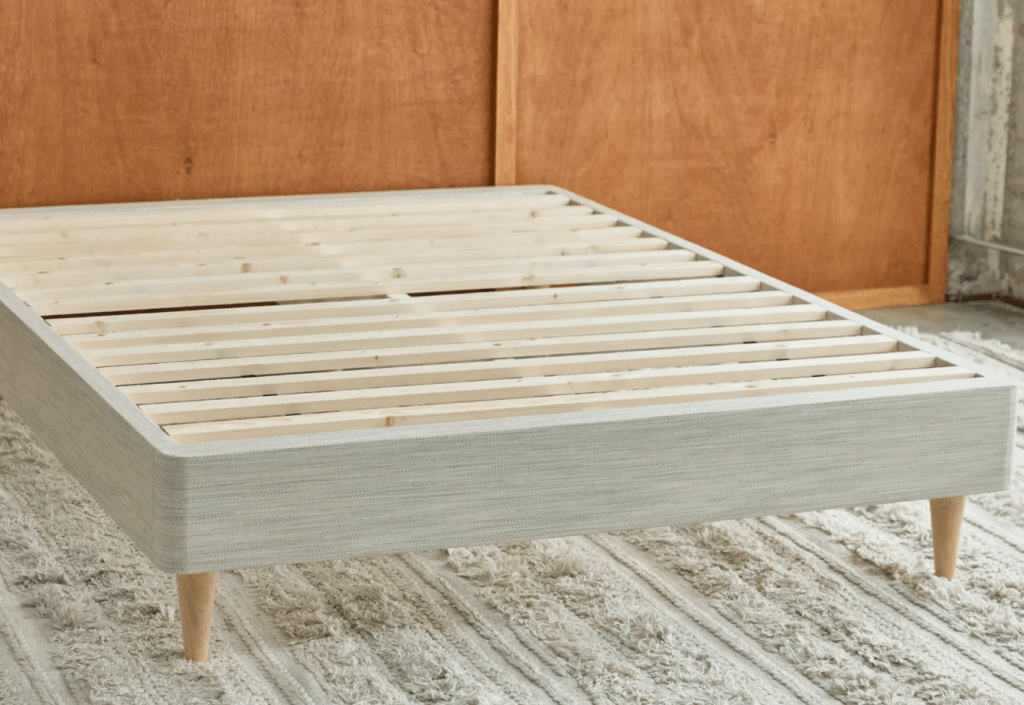
Avocado: Sustainable wood bed frames crafted with non-toxic finishes.
- Thuma: Minimalist designs made from eco-friendly materials.
By focusing on these foundational aspects of sleep hygiene, you can transform your bedroom into a true sanctuary for rest and rejuvenation. In future posts, we’ll dive deeper into topics like nighttime rituals and foods that promote better sleep. For now, start with these tips to create a healthier sleep environment—your body and mind will thank you.
What changes are you planning to make to improve your sleep environment? Share your thoughts and experiences in the comments below!
Leave a Reply